
Menu
Home repairs & services
THE HOUSE NOTES
Plan Decorating and Small Fittings in the Right Order
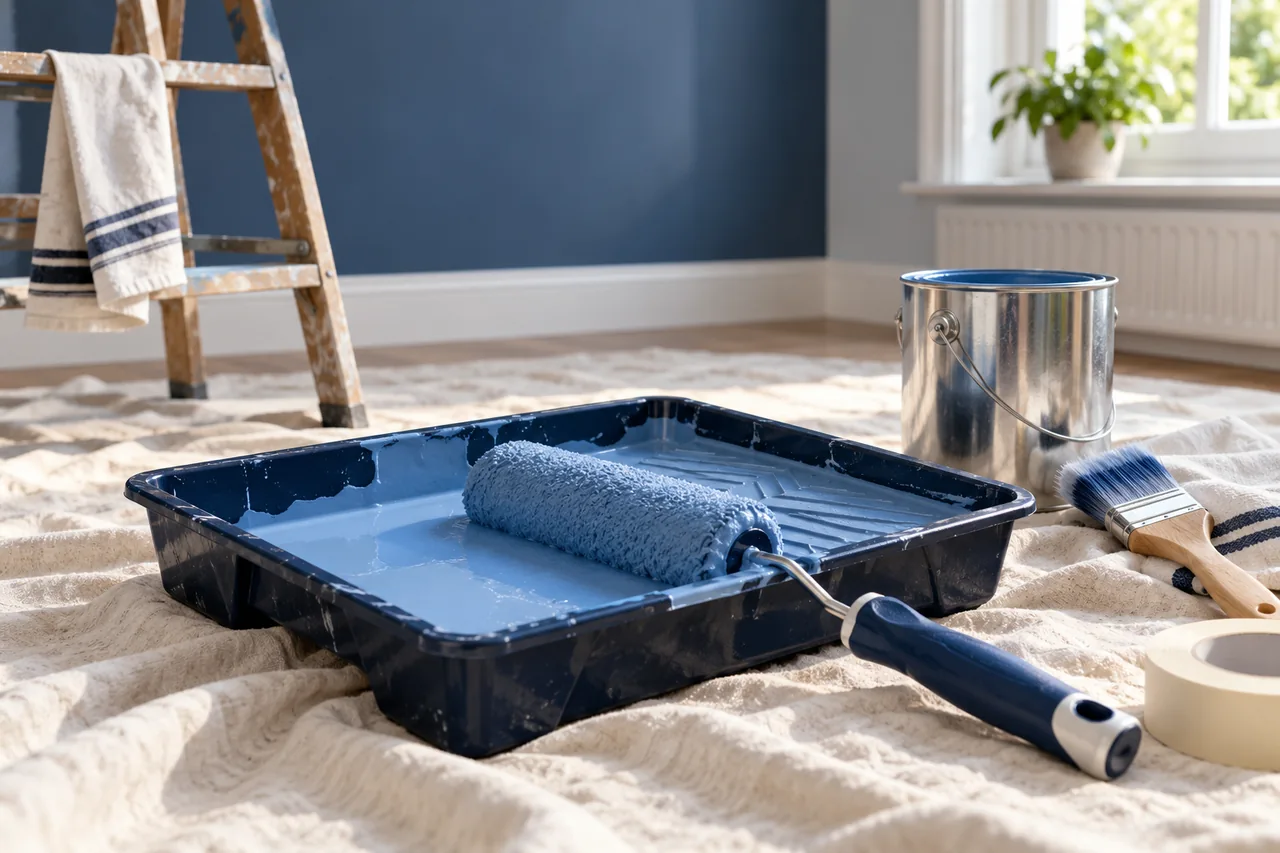
A room refresh becomes harder to finish when the shelf position changes after painting or a new handle leaves uncovered holes. Treat decoration and small installations as one sequence of decisions, even when different trades carry them out. Settle what stays, what moves and where the finished surface should end before ordering the final materials.
Decide what the new finish needs to meet
Make a surface schedule covering walls, ceiling, doors and trim. Note which faces and edges are included. A request to paint a room can leave different expectations about a cupboard interior or the back of a door. Photographs help identify retained wallpaper, timber details and surfaces which are outside the proposed work.
For a local repair, discuss a patch against a complete surface or natural break. Existing paint can change with age and use. Keeping the original reference helps identify the product, but does not establish that a fresh patch will disappear beside it.
Review samples in the room
Look at a sufficiently large sample with the flooring and furniture that will remain. Review it under the room’s normal daylight and artificial lighting. Record manufacturer, colour and finish together; a colour name without the coating type leaves part of the decision unresolved.
Choose a product for the particular surface and follow its preparation and care instructions. A description such as washable or moisture-resistant does not replace checking compatibility. If the base is uncertain, ask the painting and decorating service to include assessment and preparation in the scope.
Resolve old damage before adding accessories
Recurring stains, loose plaster or movement around a fitting need their cause considered before decoration. A new coat will not resolve continuing water entry. Where the wall needs substantial preparation, discuss plastering and the appropriate sequence before scheduling final coats.
Decide which old brackets and fixings are being removed. Photograph their positions and agree filling and making good. If a replacement occupies a smaller footprint, the newly exposed area may need a different finishing boundary from the one first imagined.
Confirm positions before the final coat
For shelves, curtain poles and pictures, give the product, intended load and preferred position. Include furniture heights, door movement and accessible switches. Odd jobs and fitting should be planned around the actual wall and product instructions rather than a hole position chosen solely for appearance.
Discuss the sequence with the person completing the work. Some positioning and repair tasks belong before decoration; final fitting may follow it. Keep hardware, templates and instructions labelled so the agreed arrangement is not lost between visits.
Leave the room with a usable finish record
At handover, record completed surfaces and any areas still drying or awaiting another stage. Keep the coating schedule and care instructions. Ask when doors can close normally and when surfaces can be cleaned or loaded. Those details make the room easier to use and maintain without treating touch-dry paint as a completed cure.
Need help with a repair?
Describe the actual fault and the work you want completed. Explore handyman repairs or contact us to discuss the appropriate service.