
Menu
Home repairs & services
LONDON HOMES · PLAN THE CHANGE
Painting and Decorating London
A new colour changes a room, but preparation determines how that colour looks in daylight and how the finish wears. My Handyman provides painting and decorating in London for interiors, woodwork and appropriate exterior surfaces. Tell us about the existing finish, the room's condition and the result you have in mind. A photograph of the whole wall is often more useful than a paint colour reference on its own.

Look at the surface before choosing the finish
Flaking paint, open joints, stained ceilings and loose wallpaper need different preparation. A decorator should understand what is failing before covering it. Water marks may need an appropriate stain treatment after the source has been addressed, but paint does not stop a leak. Cracks that return or change should be assessed rather than repeatedly filled. Describe recent building work and any damp history when discussing the room, including whether the surface has had time to dry.
Small filling and sanding can be part of a decorating specification; extensive unstable plaster is a separate issue. If walls need more than local preparation, coordinate plastering first. Ask which defects the quotation includes and what remains outside the agreed finish. Very uneven walls can still show in strong side lighting after painting. A clear expectation about surface condition is more useful than a promise that every old wall will look newly built.
Colour, sheen and the light in the room
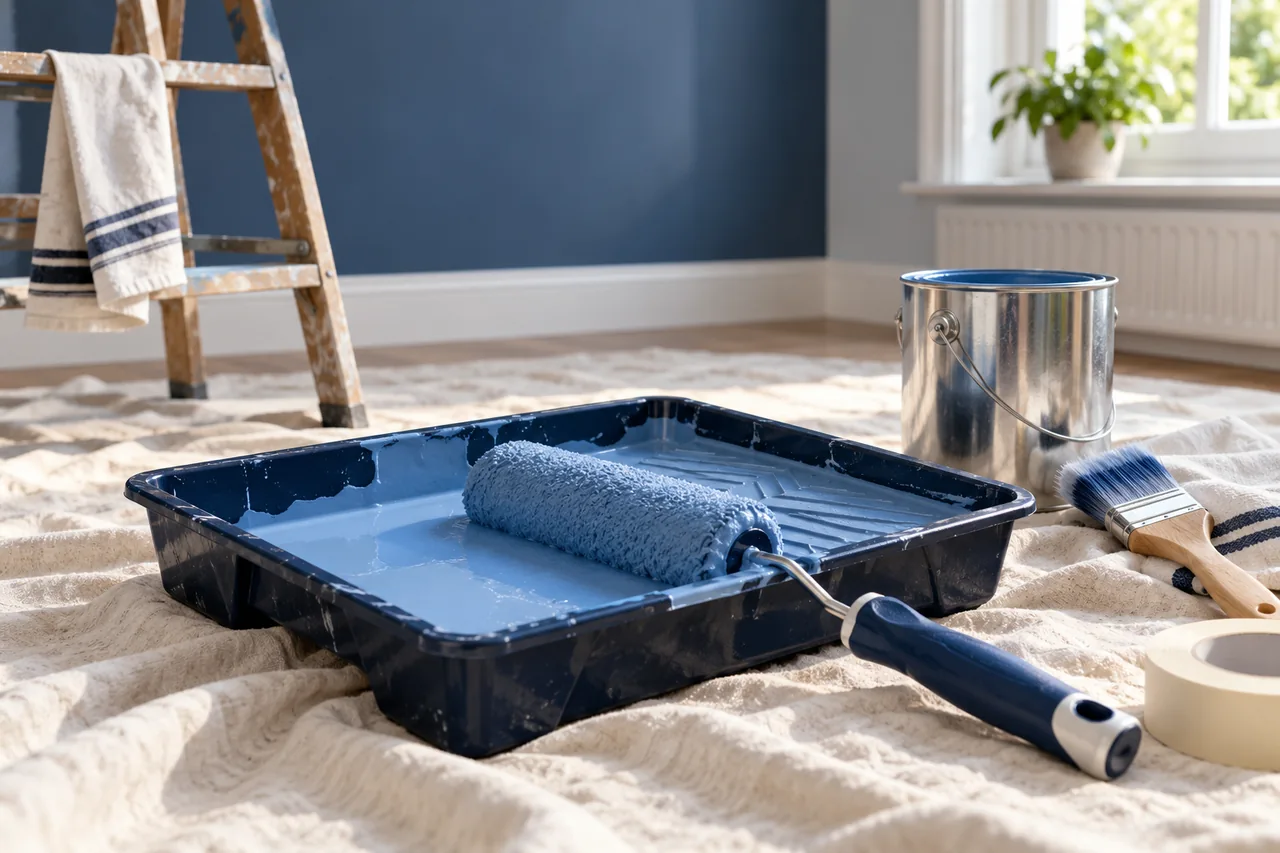
Test a shortlisted colour on a sufficiently large sample and look at it at different times of day. A screen image or tiny card can be misleading beside flooring, curtains and artificial lighting. Choose the finish for the surface and use: a busy hallway, ceiling and timber door need different considerations. The manufacturer's guidance on preparation and compatible undercoats is part of the specification. Do not assume that a product labelled washable will suit every substrate.
Record the manufacturer, colour reference and finish for each area, including ceilings and woodwork. If matching an existing wall, keep the old tin or product details, but expect ageing and touch-up differences to affect the match. A patch may remain visible under certain lighting even when the nominal colour is correct. Sometimes repainting to a natural break gives a more coherent result. Discuss that boundary before the work is quoted rather than discovering it after one small patch has dried.
| Surface | Agree before work begins |
|---|---|
| Previously painted wall | Defects to repair, colour and final finish. |
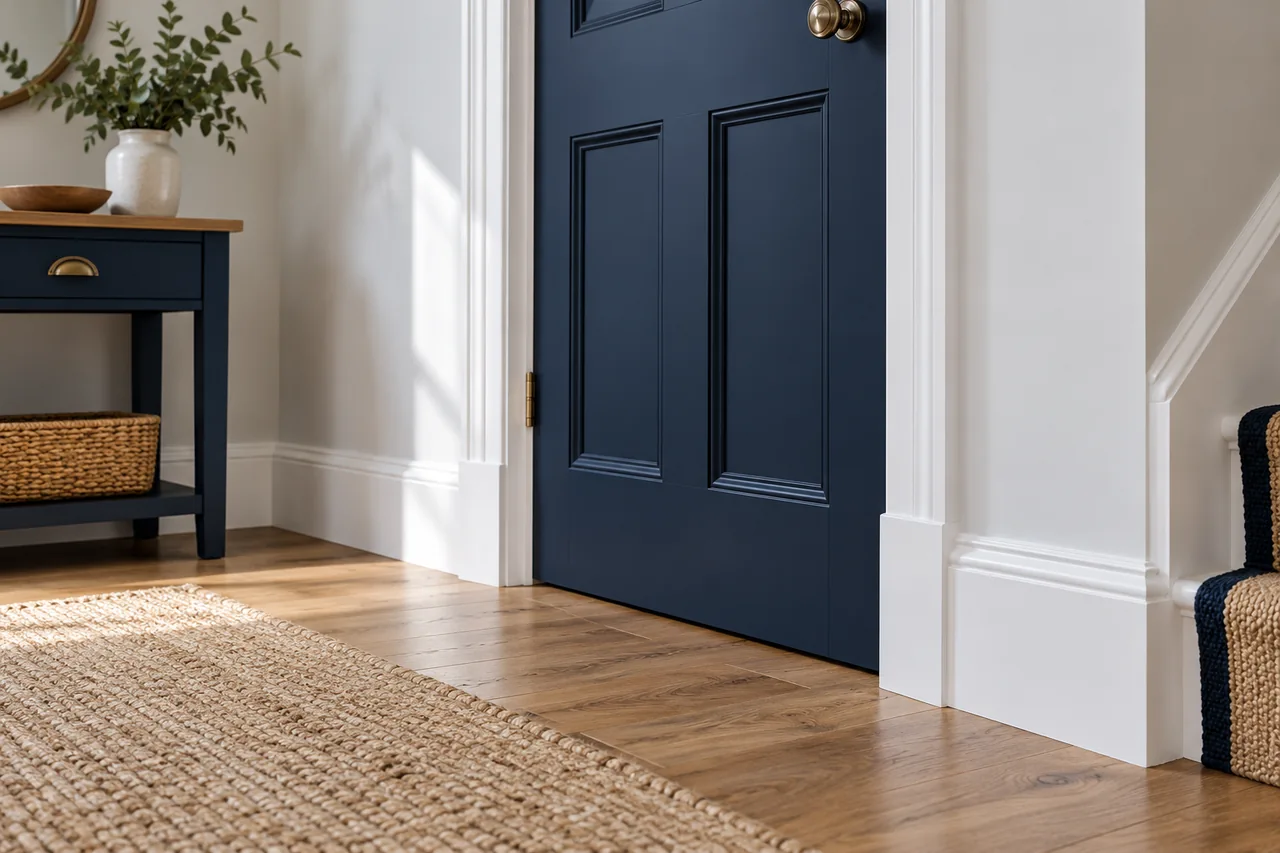
| Timber door or trim | Preparation, primer and included faces or edges. |
| Wallpaper feature wall | Pattern repeat, batch and wall preparation. |
| Exterior surface | Condition, access and suitable weather window. |
Decorating while the home is occupied
Work can be planned around an occupied property, but furniture, drying surfaces and access through rooms need thought. Explain which spaces must remain usable, any pets or children in the home and restrictions on working hours. Remove small belongings and valuables; agree how larger furniture and floors will be protected. A room filled to the walls leaves little space for safe preparation. Clarify who moves heavy items and where they can temporarily be placed.
Several visits may be needed because preparation, coats and drying cannot always be compressed into one continuous session. Ventilation and temperature should follow product instructions. Do not close newly painted doors against their frames too soon or scrub a fresh finish before it has cured. Ask for the relevant care advice at handover. If the work is part of a wider home repair list, complete dusty or disruptive tasks before the final decorative coats.

Walls, woodwork and wallpaper need different planning
Interior painting can include walls, ceilings, trim and mouldings. Existing gloss, bare timber and previously painted wood do not all take the same preparation. Decide which doors, frames, skirting and radiators are included and whether both sides of a door are to be finished. New joinery should be agreed with the carpentry work so exposed edges and joints are ready. Hardware may need careful removal or protection; agree what is practical for the particular item.
For wallpaper, provide the product, roll size, pattern repeat and hanging instructions. Pattern matching changes the quantity required, and a feature wall with awkward returns can take more work than its area suggests. Discuss old paper removal and the wall condition beneath it. If you are supplying an expensive or specialist wallcovering, check suitability and handling requirements before buying all the rolls. Keep batch numbers together and retain spare material for future repairs.
Exterior work and a realistic quotation
Exterior doors, masonry and exposed timber need a finish compatible with the surface and weather exposure. Access, height and the condition of the old coating matter as much as the colour. Weather can affect the sequence and suitable application window. Rotten timber, failed gutters or water entering the wall should be addressed before decoration. For overflow or roof-related staining, discuss roofing and guttering rather than expecting a new coat to solve the source.
A useful quotation identifies the surfaces, preparation, products, coating system and boundaries of the work. It should distinguish material supply, access equipment, wallpaper removal, substantial repairs and waste handling where relevant. Room size alone does not describe the preparation, condition or detail included in a quotation. Call 020 3078 5925 with the rooms, postcode and timing needs. Retain the final colour schedule so later touch-ups or extensions can be discussed from accurate product information.
Questions about painting and decorating
Details worth agreeing for painting and decorating.
Can you paint over a water stain?
Only after the source and drying condition have been considered. An appropriate preparation may isolate residual staining, but decoration cannot repair an active leak. Explain when the mark appeared and whether the underlying problem has been resolved.
How many coats will be needed?
That depends on the product, existing colour and surface. The quotation should specify the proposed coating system and how coverage will be judged. A dramatic colour change or porous new surface can require a different approach from a routine refresh.
Do I need to empty the entire room?
Remove small possessions and clear access to the working surfaces. Agree arrangements for large furniture before the appointment. The space available for protection, ladders and drying affects how the job can be organised.
Can a small patch be colour matched?
It may be possible to obtain a close match, but aged paint and differences in sheen can still reveal a repair. Discuss whether painting to a corner or other natural break would give a more satisfactory finish.
Can you hang wallpaper I have bought?
Provide the exact product and instructions before booking. Pattern repeat, substrate condition and specialist handling can affect labour and quantity. Do not assume the room area alone gives the number of rolls required.
When can a newly painted surface be cleaned?
Follow the product's curing and cleaning guidance. Touch-dry paint can still be vulnerable to rubbing, moisture or pressure. Ask for the paint reference and care instructions, and retain any labelled surplus for future maintenance.
Discuss painting and decorating.
Call with your postcode, the work you have in mind and any product or access details.