
Menu
Home repairs & services
LONDON HOMES · REPAIR & INVESTIGATION
Drainage Services London
One slow sink and a drain that backs up across several rooms are different problems. Our drainage service starts by establishing what is affected, how often it happens and where the system can be accessed. My Handyman's drainage service includes unblocking, investigation, repairs and maintenance. Describe the symptoms before asking for a particular treatment: clearing an obstruction and repairing a damaged pipe are separate decisions.
| Symptom or situation | Useful next question |
|---|---|
| One slow sink | Is the restriction in the local waste or farther away? |
| Several outlets backing up | Where is the shared downstream access? |
| Repeated blockage | Would a recorded inspection explain the recurrence? |
| Repair proposed | What defect is being treated and what reinstatement is included? |
What the pattern of the blockage can tell you
Note which fittings drain slowly, whether a toilet causes water to rise elsewhere and whether the problem follows heavy rain. These observations help distinguish a local waste restriction from something farther downstream. They do not prove the cause. Smells, gurgling and standing water can occur for several reasons, so an inspection is more useful than repeatedly treating the most obvious outlet. If waste is backing up, stop using the affected fittings and keep people away from contaminated water.
Tell us about previous clearances and how long each one lasted. A blockage that returns quickly may justify further investigation rather than another identical treatment. Keep old reports or photographs if you have them. Explain whether the problem affects only your home or neighbouring properties as well. Shared drainage and responsibility for a sewer can involve a landlord, managing agent or water company; establish the responsible contact before agreeing repairs to pipework outside your control.

Access determines the practical approach
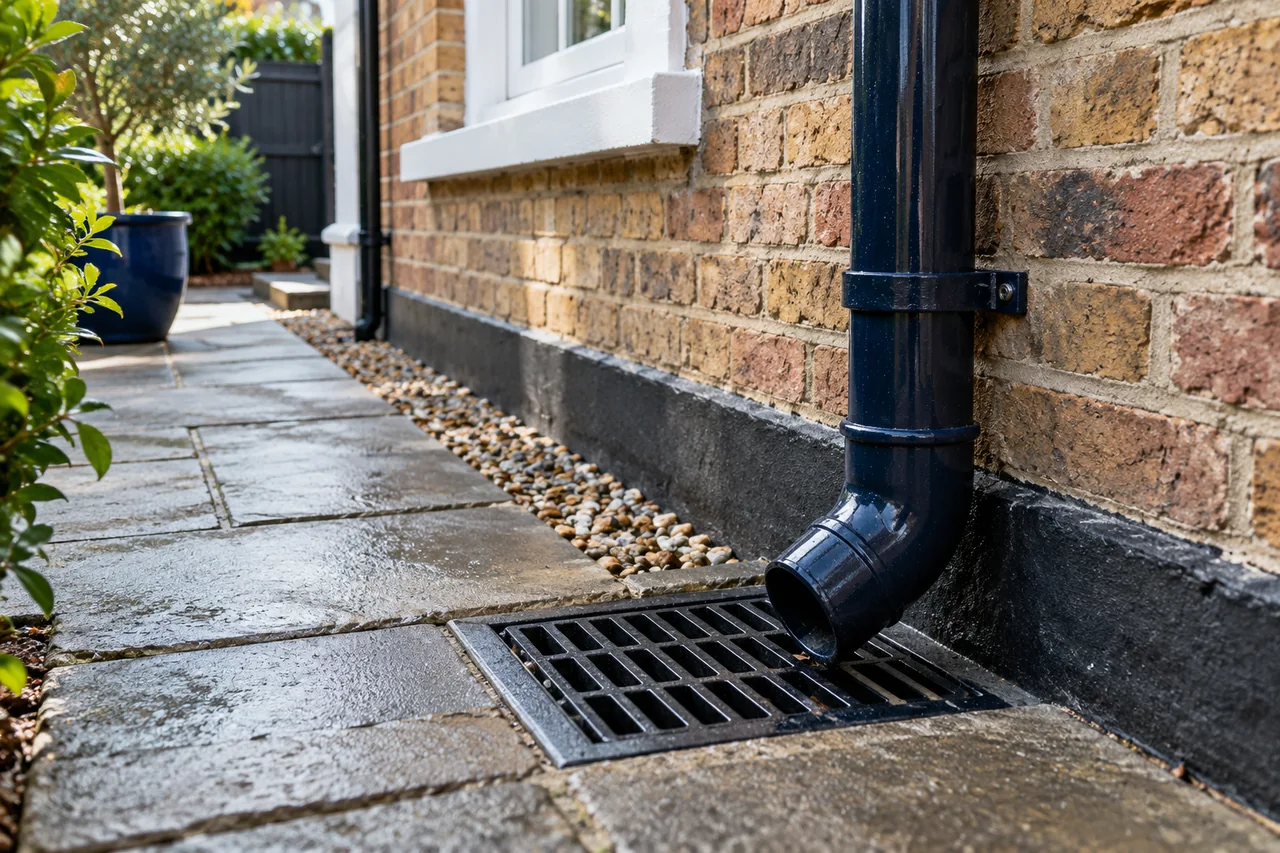
The location and condition of inspection chambers, gullies and other access points affect what can be inspected or cleared. Mention paving, decking, parked vehicles or locked communal areas that restrict access. A drain cover is not something to lift casually: it may be heavy, damaged or above a hazardous space. Do not enter a chamber or attempt to reach into a drain. A useful enquiry gives the approximate location without putting anyone at risk to obtain a photograph.
Clearing equipment should suit the drain and suspected obstruction. High-pressure jetting is one available drainage method, but it is not the answer for every pipe. Condition, pipe material and access matter, and an assessment should precede the method choice. Tell the operative about chemicals previously poured into the system. Agree what the initial clearance includes and how success will be checked. If the restriction cannot be cleared as expected, discuss the findings before a different scope is started.

When a CCTV survey adds useful information
A camera inspection can help investigate recurring obstructions, suspected damage and sections that cannot be seen from the surface. Ask what length of drain is accessible, whether cleaning is needed first and what record you will receive. A camera cannot necessarily pass through a complete obstruction or inspect every branch. The purpose of the survey should be clear, so the outcome answers a question rather than simply producing footage without an explanation.
A useful report identifies the surveyed route, notable defects and limitations. If a repair is recommended, ask how the finding relates to the symptoms and what alternatives are suitable. Do not assume every irregularity seen on camera needs immediate replacement. Equally, a temporary clearance does not demonstrate that a cracked or displaced section has repaired itself. A copy of the findings helps a landlord or building manager make an informed decision about any further work.
Repair options depend on the actual defect
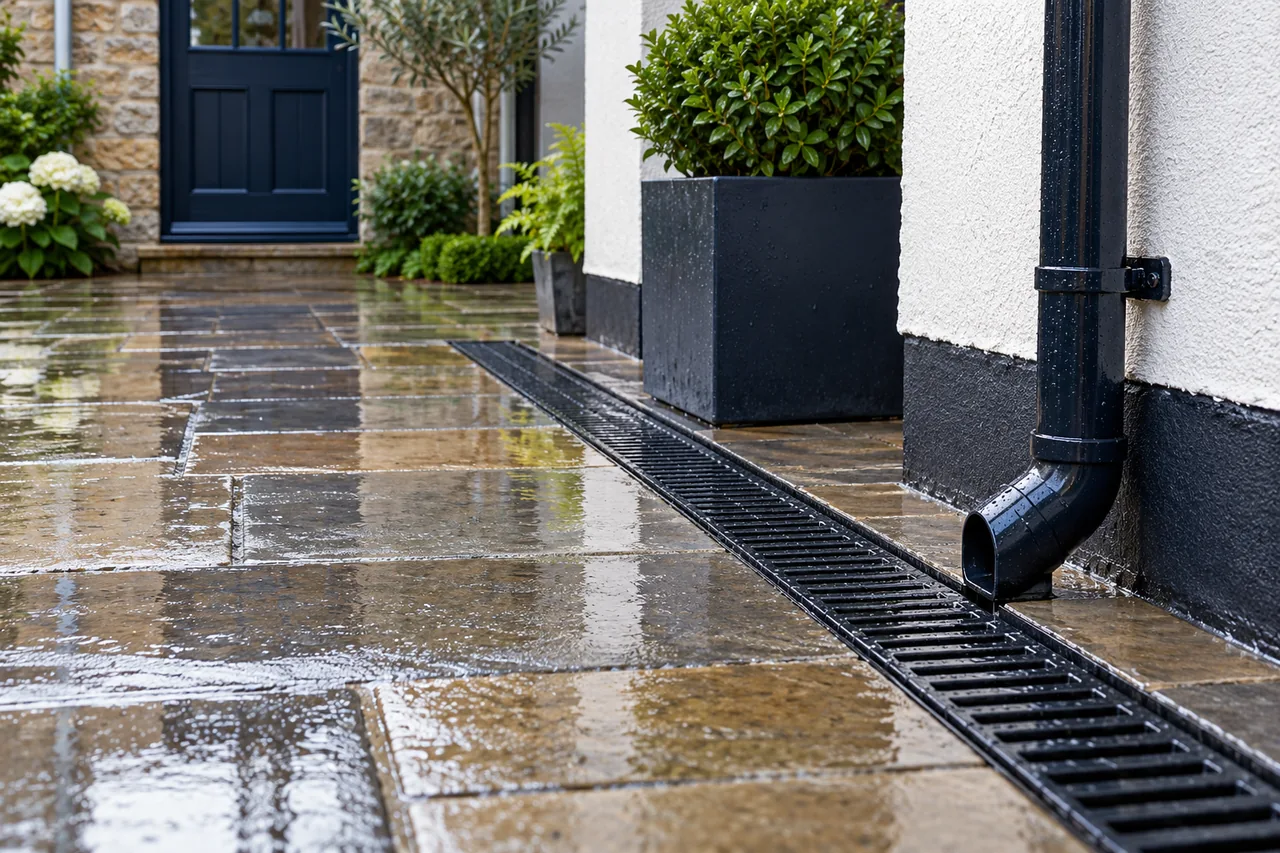
Drain repairs can involve local work, relining or replacement. Suitability depends on the pipe condition, route and access; these are options to assess, not interchangeable fixed packages. A local repair may be enough for a particular defect, while an extensive failure can require a different approach. Excavation introduces questions about services, paving and reinstatement. Ask what will be exposed and how the surface will be restored before authorising ground works.
Where the issue is a trap, appliance waste or connection inside the property, plumbing repairs may be more appropriate. Rainwater overflowing at roof level can instead require roofing and guttering attention. For a planned bathroom refurbishment, discuss drainage routes before new fittings and finishes are installed. These distinctions avoid paying for cosmetic work that has to be reopened to deal with the underlying route or fault.
Keeping drains usable after the visit
Ask what was found, what was removed and whether any limitations remain. Avoid flushing wipes or other items that are not intended for the drainage system. Keep cooking fats out of sinks and use accessible strainers where suitable. These habits can reduce avoidable restrictions, but they do not remedy structural damage, an unsuitable pipe route or a shared sewer problem. Repeated symptoms should be recorded and investigated rather than accepted as routine.
Price depends on access, investigation, equipment, length of work and whether repair or reinstatement is needed. Ask which charges apply if a blockage cannot be cleared during the initial visit, and agree approval for additional work. Current availability, the initial scope and any limits to the proposed clearance need to be agreed when booking. Call 020 3078 5925 with the postcode, affected fittings and access details to discuss availability and the right scope. Keep any existing survey or maintenance record ready for that conversation.
Questions about drainage services
Details worth agreeing for drainage services.
Does every blocked drain need jetting?
No. The method needs to suit the obstruction, pipe condition and available access. Explain previous attempts and any chemicals used. An assessment should determine the approach rather than choosing equipment simply because it is advertised.
What will I receive from a CCTV survey?
Agree the deliverable before booking: accessible route, footage or images, findings and any limitations. If you need a report for a managing agent or another contractor, say so and check that the proposed survey meets that need.
Why does a drain block again after clearing?
The original obstruction may recur, or there may be another cause such as a damaged section or an unsuitable connection. The time between incidents and any earlier survey are useful evidence. Repeating a clearance alone may not explain it.
Can you work on communal drainage?
Describe the building arrangement and who authorises the work. Access, ownership and responsibility need establishing before repair is agreed. A managing agent or water company may need to be involved, depending on the part of the system affected.
Is relining always possible instead of digging?
No. The existing pipe condition, shape and defect determine suitability. Ask why a particular method is proposed and what it will achieve. A survey and access assessment may be needed before a meaningful choice can be made.
Should I remove a drain cover before arrival?
Do not lift a heavy or damaged cover to prepare for a visit. Clear movable obstructions around the area if safe, identify the location and arrange any keys or permissions. Leave chamber access and inspection to the operative.
Discuss drainage services.
Call with your postcode, the work you have in mind and any product or access details.