
Menu
Home repairs & services
THE FRAME, THE BASE AND THE SMALL MOVING PART
Handyman in Edmonton
An ordinary latch repair becomes easier to describe when the whole door and frame are visible. The loose fitting may be small, but the material carrying it, the closing movement and the detail you want to retain all affect the useful result. My Handyman can discuss an Edmonton household repair list around that information. Include suitable fittings, storage and surface work, with specialist enquiries identified by their actual requirements. Start with how each item behaves rather than choosing replacement parts before the condition is understood.

Handyman labour prices in Edmonton
For a latch repair described with the whole door and frame in Edmonton, discuss the scope first and then compare these planned-time examples.
These daytime rates apply within the M25. For an address outside the M25, request a location-specific quote before using these figures as a budget.
| Time allowed | Monday–Saturday labour | Sunday labour |
|---|---|---|
| 1 hour | £83 | £99 |
| 1.5 hours | £119 | £143 |
| 2 hours | £155 | £187 |
| 3.5 hours | £263 | £319 |
| 4.5 hours | £335 | £407 |
| 6 hours | £443 | £539 |
One-hour minimum: £83 Monday–Saturday or £99 Sunday. Further timed work is charged in 30-minute periods (£36 Monday–Saturday; £44 Sunday). These are labour-budget examples, not fixed quotations or promised completion times for particular tasks.
Pre-booked blocks are separate options: four hours £260 Monday–Friday or £256 Saturday; eight hours £460 Monday–Friday. Confirm availability and the appropriate option before booking.
Prices include taxes. Materials, collection and parking/access costs are separate where applicable. Electrical, gas and other specialist work needs a separate quote. See full prices and booking conditions, then confirm the work and final total by phone.
Show the retained frame and the fitting together
Enfield Council's Church Street and Fore Street appraisal records surviving Georgian houses within the Edmonton context, alongside the effects of later clearance and redevelopment. It also identifies retained doorcases and moulded brick details as features of particular historic buildings. These are concrete reasons to describe the actual material and profile to keep, rather than treat every opening as a blank modern frame. They are not a claim that every Edmonton home is Georgian or that a council character document surveys your own door.
For handyman repairs, show the door open and closed, the hinges and the point that catches. Explain whether the fault began after another change, such as moving furniture or renewing a floor covering. A new handle may not correct alignment or a weak fixing base. For appropriate timber work, carpentry can consider the damaged edge or frame while retaining sound surrounding detail. Keep detached parts and note any previous screw repairs rather than covering enlarged holes before photographs are taken.
Locksmith services needs the lock or latch behaviour and door role. Say whether the mechanism works with the leaf open and what happens at the frame. Identify shared entrances and any fire-door or security specification, with the relevant decision contact. Compatible function should be established before selecting a component simply for its brass or chrome finish. Authority over one private room should not be assumed to extend to a door serving several homes.

Let the fixing base decide the appropriate small repair
A loose hook, stop or cabinet hinge can have a similar visible symptom while relying on a different base. Photograph the surrounding material and say what the item carries or protects. A door stop that repeatedly pulls out may need the timber considered, not another identical screw placed into the same damaged point. A wall hook carrying everyday bags should be assessed against that actual use. Include any known construction and service information before a new position is chosen.
For a shelf, give dimensions, depth and intended contents. Books and equipment create a different brief from a light display ledge. If old fixing points have failed, show them and include acceptable alternative positions. A smooth painted wall does not establish a sound substrate or clear route behind it. The aim is a fitting ready for its stated purpose, with the base and product compatible, rather than an installation completed in an unassessed position simply because it looks balanced in the room.
Odd jobs and assembly can include complete supplied furniture, with instructions, hardware and restraints retained. Check parts and condition while packaging is available. Describe the final position and available assembly space. A tall unit may require anchoring even when it stands evenly while empty. Measure the route through doors and turns for the completed item as well as the panels. Do not omit a required component or cut a back panel merely to make the product sit flush against existing trim.
| Detail on the Edmonton repair list | Evidence for a suitable intervention |
|---|---|
| Latch fails only at the frame | Open/closed operation, whole opening and relevant door specification. |
| Hook or stop repeatedly pulls loose | Base condition, intended use and earlier fixing attempts. |
| Shelf for books near retained trim | Load, depth, known services and the material that must stay. |
| Old fitting leaves a surface patch | Loose material and a natural making-good boundary. |
| New hardware on a shared door | Authority, function and compatibility before appearance. |
Repair the surface without losing the surrounding detail
Plastering can cover appropriate making good after fittings are removed, once loose material and recurring damage are described. Include a wider view showing the retained frame, moulding or wallpaper boundary. A cosmetic patch is not an explanation of why a crack or moisture mark returns. Preserve earlier photographs where available and record changes before another temporary covering hides them. The intended smooth finish and any unresolved condition should remain distinct in the instruction.
A moulded edge or retained doorcase needs an explicit protection and finish instruction in painting and decorating. Show the profile in side light, identify the piece staying in place and mark the adjoining repair area. Specify whether hardware is retained, removed by agreement or masked. The aim is a defined repair that meets the existing detail, with the door operating normally afterwards, rather than a broad request to cover the whole opening without recording what makes it worth keeping.
For example, a hallway list might restore suitable latch operation, repair an appropriate hook fixing and reinstate a redundant shelf position before decoration. Mark the essential function first and state which products are complete. Missing hardware and uncertain surfaces should be recorded against their own tasks. This gives the enquiry a useful order without treating all small jobs as interchangeable or promising a fixed number of repairs within an allowance before their conditions have been considered.

Keep kitchen work clear at the appliance and water interfaces
An older retained fitting and a new appliance need different identification. For kitchen and cooker installation, provide the product specification beside a view of the retained cabinet opening and adjoining trim. Electrical services can address supply and testing requirements. Say whether a door, rail or moulding should be preserved during handling. A new installation can expose an unpainted or damaged edge that the previous unit covered; agree who will assess and finish that edge before it becomes an unexpected final task.
Where plumbing work sits beside retained trim, show the fitting, accessible connection and the profile that should stay. Identify whether that piece can be protected in place or would need agreed removal for access. For drainage services, explain the reported outlet problem separately from the decorative edge surrounding it. Keep detached trim labelled if removal is agreed, with a photograph showing its original junction. The repair record should identify both the installation work and the retained piece returned afterwards, so an apparently minor connection repair does not finish with an unexplained cut edge or a replacement moulding the household never chose.
Retained trim can be the natural stopping point for a room repair, provided the proposed work can meet it cleanly. For bathroom refurbishment, identify which frame, skirting or cabinet edge stays. For tiling, show how the tile currently meets that edge and whether removal would disturb it. A wide photograph and an edge view make the preservation requirement concrete. Agree whether reinstatement repairs the existing junction or creates a new boundary before matching material is purchased.
Report warmth and weather symptoms through the right enquiry
When a room has retained trim or a fitted panel near equipment, show both on the enquiry. Heating services can assess the radiator or control problem without assuming that adjacent woodwork also needs removal. An identified gas-appliance issue belongs with gas boiler services, with an appropriately registered engineer for gas work. Name any piece the household wants kept and explain how equipment is reached at present. That gives the repair discussion a clear preservation boundary as well as a functional objective.
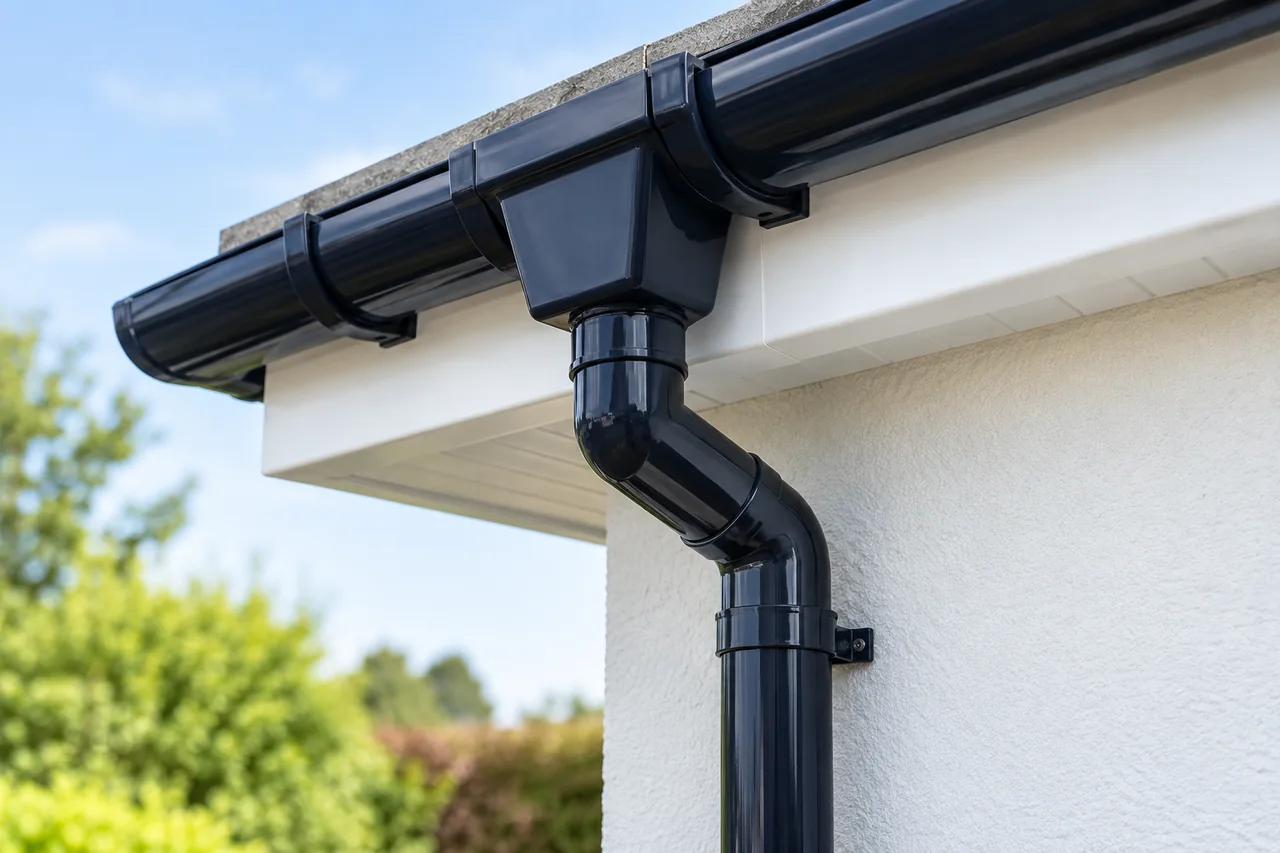
For roofing and guttering, identify the retained exterior detail beside the reported weather-related defect and any relevant property guidance already obtained. Separate the functional repair from a proposed change to that detail. Agree how any removed piece is recorded and what the reinstated edge should meet, with the appropriate building contact involved where responsibility is shared. The same care used for an internal doorcase applies to defining the work boundary: a practical repair should not leave the household discovering afterwards that a sound profile or adjoining material was treated as part of an unrestricted replacement.
Give the visit a clear route and decision contact
Send the full Edmonton address, entrance, working level and route for tools and materials. Mention narrow turns and finishes needing protection. Ask a responsible building contact about applicable delivery or work arrangements where relevant. Confirm parking for the particular visit, including private-space permission separately. A resident's usual vehicle routine does not automatically establish entitlement for a visiting vehicle. Clear portable belongings and keep components together, leaving fixed equipment undisturbed unless preparation has been agreed.
Include retained-detail protection and reinstatement when discussing the repair allowance, alongside labour, compatible hardware and any new timber or preparation. The homepage planner helps organise initial labour planning before the actual profile and condition are assessed. Identify who can accept a different component or a wider repair edge. Keep the original detail photograph with the handover notes and check ordinary door operation after refitting. The completed instruction should show both restored use and the retained feature preserved as agreed, with any further decision stated specifically rather than assuming that a matching finish means all adjoining material has been renewed.
Before selecting the latch or covering the patch
Why keep detached latch parts after they have stopped working?
Their markings and dimensions can help identify the actual fitting. Keep them with photographs of the opening before choosing a replacement by appearance alone.
Does a Georgian example in the local appraisal describe my whole Edmonton home?
No. It describes specific historic context among different building generations. Your property's actual materials, alterations and relevant status still need to inform the work.
Can a loose door stop be fixed by using another identical screw?
The base may need assessment first, particularly after repeated failure. Show the timber and contact movement rather than assuming the visible screw is the whole problem.
How do I protect a retained doorcase during nearby making good?
Identify it in the photographs and instruction, including the profile and finish to keep. Agree the preparation boundary and protection before removal disturbs the surrounding detail.
Can private-room approval cover work to the building entrance?
Not automatically. Establish the responsible owner or manager and any relevant specification before commissioning changes to shared or specified hardware.
What should I record when the repair method remains uncertain?
The symptom, intended function, retained parts and known information. Assessment can then guide the method without turning an initial guess into the fixed instruction.
Building information for this enquiry
For another nearby address
Show the part with its surroundings intact.
Describe the movement and retained detail. Include previous repairs and the door's purpose before the replacement component is selected.